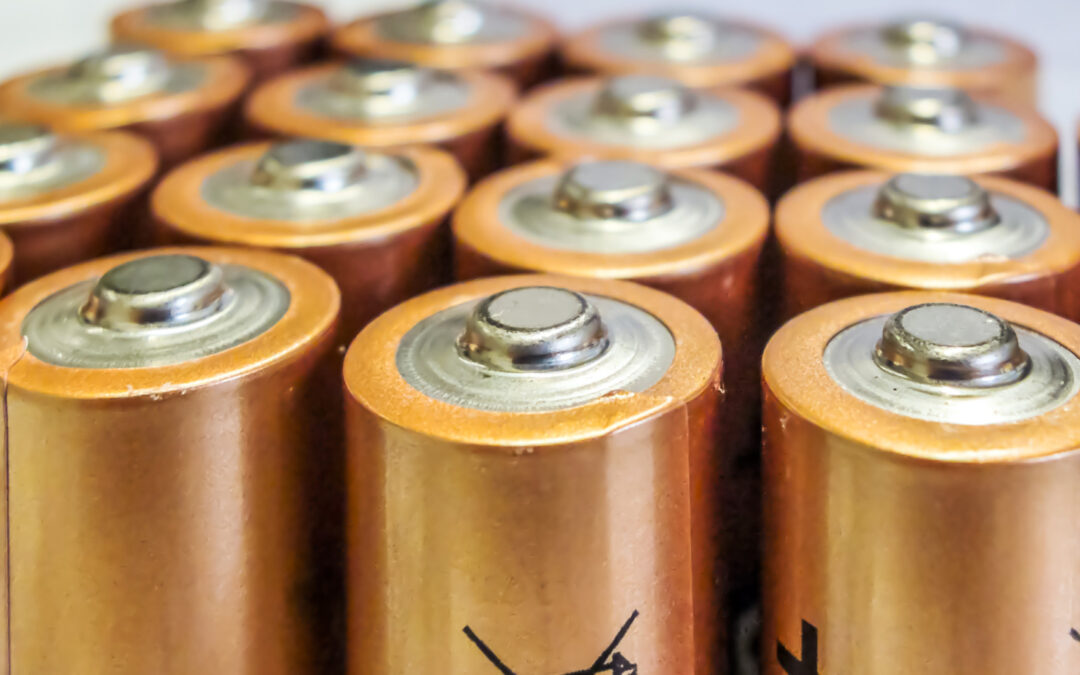
Batteries power our daily lives from remote controls and flashlights to laptops, phones, and electric vehicles. Yet, when they reach the end of their life, improper disposal can turn these useful items into hazardous waste. Batteries contain chemicals and heavy metals that can harm the environment, pollute water supplies, and pose health risks if not handled properly. The good news? By following the right battery disposal steps, you can transform this hazard into something harmless.
Understanding Why Battery Disposal Matters
Most household batteries contain substances like lead, mercury, cadmium, or lithium. These materials are safe when enclosed inside the battery casing, but when batteries break down in landfills, they can leach into the soil and groundwater.
If you are looking for hazardous waste disposal Coquitlam services, it’s important to remember that batteries fall into the hazardous waste category and should always be managed through proper channels to prevent environmental damage.
Identifying Battery Types
Before disposing of batteries, it’s important to know what type you’re dealing with, as each has different recycling and safety requirements:
- Single-Use Batteries – These include alkaline and zinc-carbon batteries, often used in toys, remote controls, and small appliances.
- Rechargeable Batteries – Found in phones, laptops, power tools, and cameras. These often contain lithium-ion, nickel-cadmium, or nickel-metal hydride.
- Button Cell Batteries – Common in watches, hearing aids, and calculators. These often contain mercury or silver oxide.
- Automotive and Industrial Batteries – Larger lead-acid batteries used in vehicles, machinery, or solar storage systems.
Canadian Empire Recycling provides safe collection and recycling services for all types of batteries, ensuring each is handled according to environmental regulations.
Safe Steps for Battery Disposal
- Do Not Throw Batteries in Regular Trash
Tossing batteries in household garbage is unsafe and, in many areas, illegal. Batteries can leak chemicals or even ignite fires in waste collection facilities. - Separate by Type
Keep alkaline, rechargeable, and lithium batteries separate to prevent chemical reactions or short-circuiting during storage and transport. - Protect Battery Terminals
For rechargeable or lithium batteries, cover the terminals with non-conductive tape (such as electrical tape) to prevent sparks or short circuits. - Find a Certified Drop-Off Location
Many cities have hazardous waste drop-off points where residents can safely deposit used batteries for proper processing. - Recycle in Bulk if Possible
Businesses and organizations that use large volumes of batteries should coordinate bulk collection programs with certified waste handlers to ensure efficiency and cost-effectiveness.
The Role of Community Programs
Many municipalities have hazardous waste collection programs or annual drop-off events where residents can safely dispose of old batteries alongside other hazardous materials. These programs keep harmful substances out of landfills and waterways while raising public awareness about the importance of safe disposal.
Community initiatives also make recycling convenient, increasing participation rates and helping achieve local sustainability goals.
Benefits of Proper Battery Disposal
- Environmental Protection – Prevents harmful chemicals from contaminating soil and water.
- Resource Recovery – Conserves valuable metals for reuse.
- Compliance – Meets local waste disposal regulations and avoids fines.
- Safety – Reduces the risk of fire or chemical exposure during handling.
Battery disposal is more than just tossing old cells in a bin it’s about taking responsibility for hazardous materials and ensuring they are managed in a way that protects both people and the planet.
For safe, compliant, and environmentally friendly battery disposal, contact Canadian Empire Recycling. Their team specializes in handling hazardous materials, such as used batteries, ensuring that every item is processed responsibly. Call today to schedule your drop-off or arrange a pick-up, and take the first step toward turning your hazardous waste into something harmless.