Many property owners assume hazardous materials are only found in industrial facilities or large construction sites. In reality, hazardous waste can accumulate in homes, garages, workshops, commercial buildings, and renovation projects throughout Chilliwack. When these materials are overlooked, they can create environmental risks, health concerns, and potential legal issues.
Understanding how to identify, handle, and dispose of hazardous waste properly is essential for protecting people, property, and the surrounding community. Whether you are a homeowner, contractor, landlord, or business owner, recognizing hidden hazards can help you avoid costly mistakes and ensure compliance with local regulations.
Quick Answer: What Is Considered Hazardous Waste?
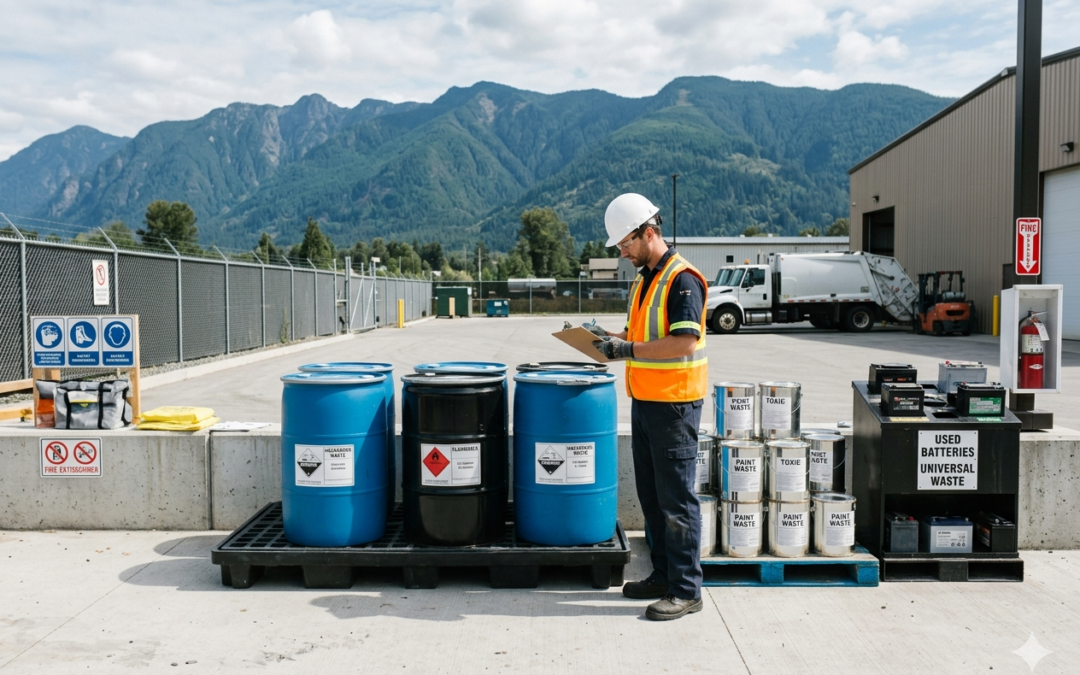
Hazardous Waste Disposal Chilliwack includes materials that can be harmful to human health or the environment due to their toxic, corrosive, flammable, or reactive properties. Common examples include:
- Paints and solvents
- Automotive fluids
- Pesticides and herbicides
- Cleaning chemicals
- Batteries
- Fluorescent light tubes
- Asbestos-containing materials
- Electronic waste with hazardous components
- Industrial chemicals
These materials require specialized handling and cannot simply be thrown into regular garbage bins.
Where Hidden Hazardous Waste Is Commonly Found
Many people are surprised by how often hazardous materials are discovered during property cleanouts, renovations, and demolition projects.
Residential Properties
Older homes often contain leftover paint cans, cleaning agents, pesticides, and automotive products stored in garages or sheds. Renovations may also reveal asbestos-containing materials hidden behind walls, ceilings, flooring, or insulation.
Commercial Buildings
Businesses frequently generate waste streams that include chemicals, cleaning products, electronic equipment, and maintenance-related materials that require proper disposal methods.
Construction and Demolition Sites
Demolition projects can uncover asbestos, treated wood, adhesives, contaminated drywall, and other regulated materials that require specialized disposal procedures.
Rental and Foreclosed Properties
Properties that have been vacant for extended periods often contain abandoned chemicals, paint products, fuel containers, and other potentially hazardous substances.
Warning Signs That Hazardous Waste May Be Present
Property owners should pay attention to signs that indicate hazardous materials may be hidden on-site.
Common warning signs include:
- Unlabeled containers
- Leaking drums or barrels
- Strong chemical odors
- Damaged paint cans
- Old automotive fluids
- Discolored soil or concrete
- Aging insulation materials
- Deteriorating flooring or ceiling tiles in older buildings
Ignoring these warning signs can increase exposure risks and create larger cleanup costs later.
Why Improper Disposal Creates Serious Problems
Improper disposal does more than create clutter. It can affect public safety and environmental health.
Environmental Contamination
Hazardous substances can seep into soil and groundwater when disposed of incorrectly. This contamination may impact nearby ecosystems and water sources.
Health Risks
Exposure to toxic chemicals can result in respiratory issues, skin irritation, and other health concerns. Certain materials, including asbestos, present particularly serious long-term health risks when disturbed.
Regulatory Consequences
Local and provincial regulations require certain waste materials to be managed appropriately. Failure to follow disposal requirements can lead to penalties and cleanup liabilities.
Property Value Concerns
Potential buyers and investors may view improperly managed waste as a liability, potentially affecting property transactions and valuations.
When Should You Use a Hazardous Waste Drop Off Depot Near Chilliwack?
Many residents search for a Hazardous Waste Drop Off Depot Chilliwack when they discover unwanted chemicals or regulated materials. Drop-off facilities can be suitable for small quantities of approved household hazardous products.
However, larger volumes, commercial waste streams, renovation debris, or asbestos-containing materials often require professional collection and disposal services.
Before transporting hazardous materials, it is important to confirm:
- Which materials are accepted
- Quantity limitations
- Packaging requirements
- Safety regulations for transportation
Certain materials may require specialized containment and handling procedures that cannot be managed through standard drop-off programs.
The Growing Challenge of Hazardous Waste
As residential development, commercial activity, and renovation projects continue, proper waste management becomes increasingly important.
Older buildings undergoing upgrades frequently reveal previously hidden hazardous materials. Similarly, businesses replacing equipment or expanding operations may generate regulated waste streams that require responsible disposal solutions.
Being proactive helps reduce environmental impact while protecting workers, occupants, and surrounding communities.
Best Practices for Safe Hazardous Waste Management
Property owners can reduce risk by following several practical steps:
Conduct Regular Inspections
Periodically inspect storage areas, garages, maintenance rooms, and outdoor structures for potentially hazardous materials.
Label and Store Materials Properly
Keep chemicals in their original containers whenever possible and ensure labels remain visible.
Avoid Mixing Different Materials
Combining chemicals can create dangerous reactions and complicate disposal procedures.
Plan During Renovations
Older structures should be assessed for materials such as asbestos before demolition or renovation begins.
Work With Experienced Disposal Professionals
Professional waste management providers understand transportation requirements, disposal regulations, and environmental compliance standards.
Protect Your Property Before Hidden Waste Becomes a Bigger Problem
Hazardous materials often remain unnoticed until a renovation, a cleanup project, or a property inspection uncovers them. Addressing these materials early helps reduce safety risks, prevent environmental damage, and avoid unnecessary expenses.
If you suspect hazardous materials may be present on your property or need assistance managing regulated waste, Canadian Empire Recycling & Disposal provides reliable waste management solutions throughout the region. Contact Canadian Empire Recycling & Disposal today to discuss safe disposal options, schedule a pickup, or learn more about responsible hazardous waste handling.