When asbestos waste leaves your home or job site, it doesn’t just disappear. In Chilliwack, the process that follows asbestos waste collection is carefully designed to protect public health, workers, and the environment. Understanding what happens after collection can help homeowners, contractors, and businesses stay compliant and confident that hazardous materials are handled safely.
Understanding Asbestos Waste
Asbestos is a naturally occurring mineral once prized for its heat resistance and durability. It was commonly used in insulation, roofing, flooring, and drywall materials throughout older buildings and across British Columbia. However, when asbestos fibers become airborne, they can pose serious health risks, including lung disease and cancer.
That’s why strict rules govern how asbestos waste is collected, transported, and disposed of, and why this process doesn’t end once the materials leave your property.
Step 1: Proper Containment and Transportation
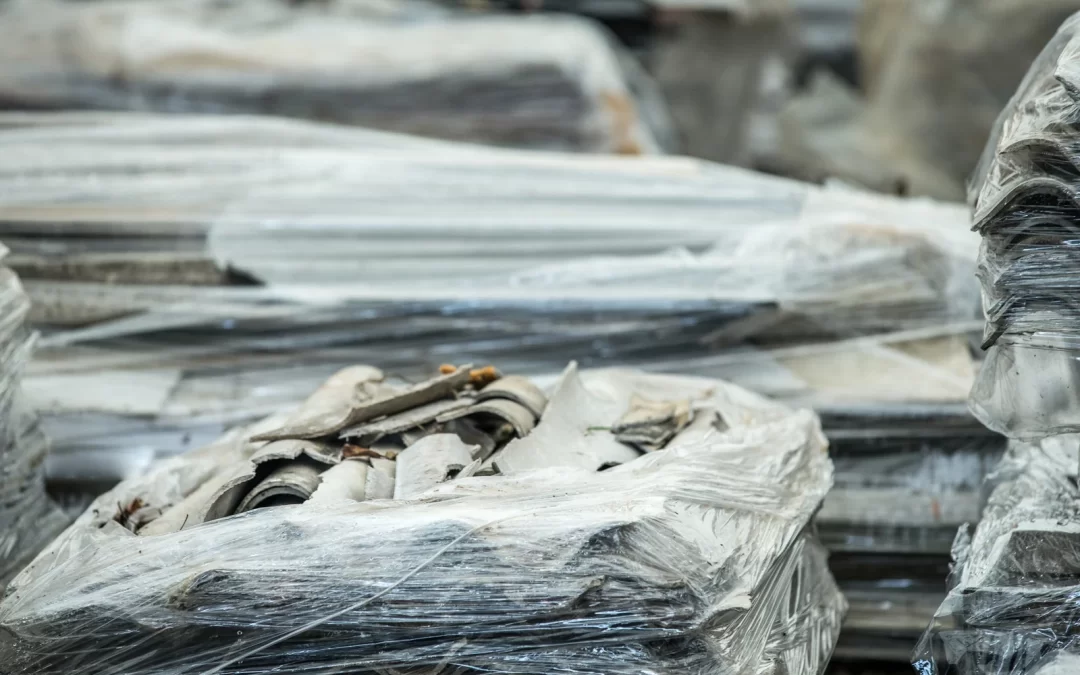
After asbestos waste is collected, the first priority is safe containment. Certified asbestos removal professionals seal the waste in approved, leak-tight containers or double-layered plastic bags labeled with clear hazard warnings.
During transportation, trucks must meet provincial and federal hazardous materials transport standards. This ensures that no fibers escape into the air or soil. Drivers are trained and licensed to handle asbestos waste, and each load is documented with a manifest form, which tracks the waste from the pickup point to the disposal facility.
In other words, there’s a clear paper trail for every bag of asbestos collected, ensuring accountability and transparency.
Step 2: Delivery to a Licensed Hazardous Waste Facility
Once safely transported, asbestos waste is taken to a licensed hazardous waste disposal facility. These facilities are specially equipped to manage asbestos and other high-risk materials.
At the facility, staff verify documentation, inspect packaging, and ensure all containment standards are followed during collection and transport. If anything doesn’t meet safety standards, the waste may be repackaged before it proceeds further.
For residents or businesses looking to drop off small quantities, the Hazardous Waste Drop-Off Depot Chilliwack serves as a designated site where asbestos and other toxic materials can be safely handled.
Step 3: Secure Burial or Encapsulation
Once accepted, asbestos waste cannot be recycled or reused. The next step is secure disposal, which usually involves one of two methods:
- Encapsulation – The asbestos materials are sealed in a solid, impermeable barrier to prevent fibers from escaping.
- Landfilling – The most common method, asbestos waste is buried in a designated hazardous waste landfill cell.
These landfill cells are carefully engineered with leak-proof liners and protective soil layers to ensure asbestos fibers stay permanently sealed away from air and groundwater. The waste is covered immediately after dumping to prevent fiber release.
Step 4: Environmental Monitoring and Compliance
Even after burial, the work doesn’t stop. The landfill or waste facility is subject to ongoing environmental monitoring to ensure asbestos fibers do not leak into the surrounding environment.
Government agencies and local environmental authorities regularly audit these sites for compliance with British Columbia’s Hazardous Waste Regulation (HWR). Monitoring includes checking groundwater, air quality, and the integrity of landfill containment systems.
This strict oversight helps ensure that asbestos waste disposal remains safe for both residents and the environment.
Step 5: Record Keeping and Reporting
Proper record keeping is a crucial part of asbestos waste management. Every stage from collection to transport and final disposal is logged in detail.
Disposal facilities must maintain comprehensive records for several years, including the volume, source, and final destination of asbestos waste. These records are periodically reviewed by regulatory bodies like WorkSafeBC and the BC Ministry of Environment.
This ensures full traceability and accountability, so if any issues arise, authorities can track exactly where a batch of asbestos came from and where it ended up.
Step 6: Safe Practices for Businesses and Contractors
If you’re a business or contractor dealing with asbestos-containing materials, compliance is key. You must work only with licensed asbestos abatement and disposal companies that follow all safety and transport protocols.
Improper disposal, even accidental, can result in severe fines and penalties. It can also pose serious health risks to workers and the public. By partnering with certified professionals, you ensure that asbestos is removed, contained, and disposed of safely and legally.
This process is also part of the larger Commercial Waste Disposal Chilliwack system that helps businesses manage hazardous waste responsibly.
Why Proper Disposal Matters
Improperly handled asbestos can contaminate air, water, and soil for decades. That’s why every step from pickup to landfill must be done correctly. Safe asbestos waste disposal not only protects workers but also keeps Chilliwack’s neighborhoods and natural environment healthy.
By following the correct process, we minimize the risk of exposure and maintain compliance with environmental laws that protect everyone.
Choose Responsible Asbestos Disposal
Whether you’re renovating an older property or managing demolition debris, always trust licensed professionals for asbestos waste collection and disposal. Certified experts have the training, equipment, and permits to handle asbestos safely from start to finish.
If you’re unsure where to start, reach out to a trusted local recycling and disposal company for guidance on approved asbestos waste disposal options.
For safe, compliant, and eco-friendly asbestos waste disposal in Chilliwack, you can count on Canadian Empire Recycling. Their team handles hazardous and construction waste with professionalism and care, ensuring materials are managed according to provincial safety standards.
Contact Canadian Empire Recycling to learn how they can assist with your asbestos or hazardous waste disposal needs across the Lower Mainland.