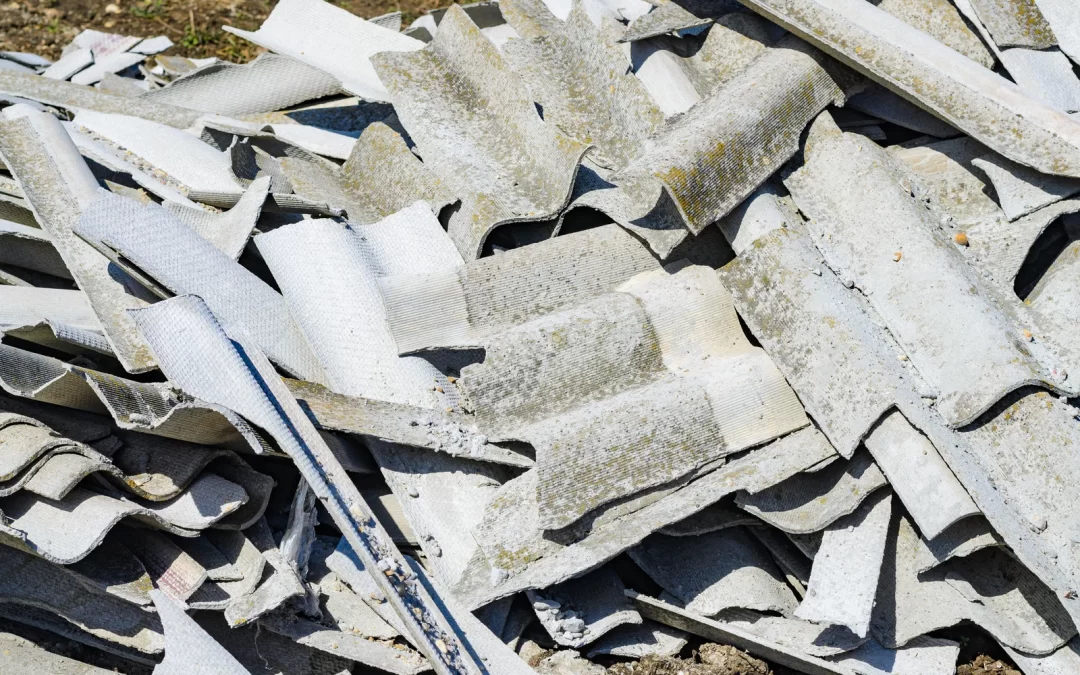
Home renovations can breathe new life into your property, adding value, comfort, and style. However, for homeowners, renovations can also bring an unexpected hazard to light: asbestos. Found in many older homes built before the 1990s, asbestos was commonly used in insulation, flooring, roofing, and other building materials. While it served as a fireproof and durable material, this waste is now known to pose serious health risks if disturbed.
If you are planning home renovations, understanding how to manage waste safely is essential. Here’s a comprehensive guide to handling asbestos during home renovation projects.
1. What Is Asbestos and Why Is It Dangerous?
Asbestos is a group of naturally occurring minerals with fine, fibrous crystals. These fibers are lightweight, heat-resistant, and durable, which is why they were widely used in construction.
The danger arises when asbestos-containing materials are disturbed, releasing tiny fibers into the air. When inhaled, these fibers can lead to severe health problems, including:
- Asbestosis – chronic lung disease caused by scar tissue formation.
- Mesothelioma – a rare but aggressive cancer affecting the lining of the lungs or abdomen.
- Lung cancer – risk increases significantly with prolonged exposure, especially for smokers.
Because of these risks, any renovation in homes built before the 1990s should include asbestos assessment.
2. Identify Asbestos in Your Home
The first step in safe renovation is identifying asbestos-containing materials. Common areas homes where asbestos may be present include:
- Insulation around pipes, boilers, or ductwork.
- Vinyl floor tiles and backing.
- Popcorn ceilings and textured wall finishes.
- Roofing shingles and siding.
- Older cement sheets or ceiling tiles.
Homeowners should not attempt to disturb or remove asbestos themselves without proper knowledge and protective equipment. Instead, hire certified professionals who can safely test and identify materials.
3. Hire Certified Asbestos Removal Professionals
For Chilliwack homeowners, the safest approach is to engage licensed asbestos removal companies. These professionals have the expertise, training, and protective gear required to handle waste safely.
Professional waste removal typically involves:
- Inspection and Testing: Identifying all asbestos-containing materials.
- Containment: Isolating areas to prevent fiber spread.
- Safe Removal: Using specialized equipment and techniques to extract asbestos safely.
- Proper Disposal: Transporting and disposing of asbestos at authorized hazardous waste facilities.
Attempting DIY removal can be extremely risky and may result in legal and health consequences.
4. Follow Legal and Environmental Regulations
Asbestos is classified as hazardous waste in British Columbia, and improper disposal is both illegal and dangerous. When hiring professionals, make sure they comply with:
- WorkSafeBC guidelines for asbestos handling and worker safety.
- Local Chilliwack regulations on hazardous waste disposal.
- Proper labeling, transportation, and disposal procedures at licensed facilities.
Following these rules protects your family, workers, and the environment from exposure.
5. Plan Renovations Around Asbestos Management
Integrating asbestos management into your renovation plan is crucial. This may involve:
- Scheduling asbestos waste removal Chilliwack before starting demolition or construction.
- Adjusting timelines to allow for safe removal and air clearance testing.
- Ensuring contractors are aware of areas to avoid accidental disturbance.
Planning reduces the risk of delays, unexpected costs, and potential health hazards.
6. Consider Encapsulation for Minor Asbestos Issues
In some cases, asbestos-containing materials are in good condition and do not need removal. Professionals may recommend encapsulation, which involves sealing the material with a protective coating to prevent fibers from becoming airborne.
Encapsulation is often used for:
- Intact vinyl flooring tiles.
- Ceiling textures in low-traffic areas.
- Pipe insulation that is not being altered.
This approach can be a cost-effective and safe alternative to full removal, especially during renovations where certain materials will not be disturbed.
7. Keep Your Family and Workers Safe
During renovations, safety precautions are critical. Measures include:
- Restricting access to areas with asbestos.
- Using proper signage and barriers.
- Wearing personal protective equipment (PPE) if exposure is possible.
- Ensuring proper ventilation and air monitoring during removal.
Even after removal, it’s important to verify that the area is free of fibers before proceeding with construction.
8. Choose Professionals for Safe Disposal
Once asbestos is removed, it must be disposed of at authorized facilities. In Chilliwack, there are licensed hazardous waste disposal sites where asbestos can be safely handled. Professionals ensure that materials are:
- Properly labeled and packaged.
- Transported according to provincial regulations.
- Documented for compliance and safety.
For reliable disposal, homeowners can contact Canadian Empire Recycling, a trusted name in handling hazardous waste safely. They ensure all waste materials are disposed of in compliance with environmental and legal standards.
9. Renovate Confidently After Asbestos Removal
Once waste has been professionally handled and removed, you can proceed with your renovation safely. From updating flooring and walls to adding new living spaces, your home can be transformed without compromising health.
For Chilliwack homeowners planning renovations, Canadian Empire Recycling can also provide guidance and support for hazardous waste disposal, making your project safer and smoother from start to finish.
Managing asbestos during home renovations is essential for safety and legal compliance. Start by identifying potential asbestos, hire certified professionals for removal, and ensure proper disposal through licensed facilities.
With professional support, you can renovate confidently, keeping your family safe while transforming your home into a modern, comfortable space.