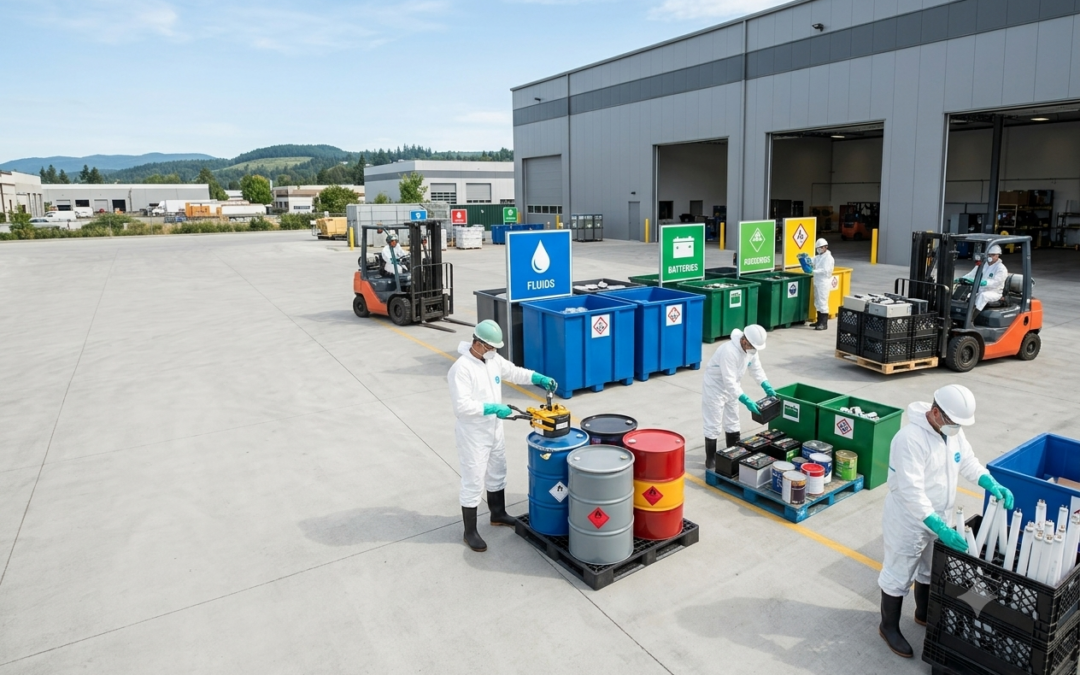
Managing hazardous waste isn’t just an environmental responsibility—it’s a legal obligation for businesses operating in Burnaby. Whether you run a manufacturing facility, automotive shop, medical office, warehouse, or commercial property, understanding which materials require specialised disposal helps protect employees, customers, and the surrounding environment.
Improper disposal can lead to environmental contamination, workplace hazards, and regulatory penalties. By partnering with an experienced waste management provider, businesses can ensure hazardous materials are handled safely while supporting sustainable operations.
If your company generates regulated waste, here’s what you need to know about hazardous waste disposal Burnaby and how proper disposal practices keep your business compliant.
What Is Considered Hazardous Waste?
Hazardous waste includes materials that are toxic, corrosive, flammable, reactive, or environmentally harmful. These substances require specialised collection, transportation, and processing rather than disposal through regular garbage services.
Businesses should identify hazardous materials before disposal to ensure they follow current environmental regulations.
Chemical Waste
Many commercial operations generate chemical waste that requires careful handling.
Examples include:
- Industrial solvents
- Acids and alkalis
- Adhesives
- Degreasers
- Cleaning chemicals
- Laboratory reagents
These materials should always remain in properly labelled containers before collection.
Paints, Coatings, and Solvents
Construction companies, contractors, and manufacturing facilities frequently dispose of:
- Oil-based paints
- Paint thinners
- Wood stains
- Varnishes
- Lacquers
- Paint removers
Because these products may contain volatile organic compounds (VOCs), they require approved disposal methods.
Automotive Fluids
Vehicle service businesses commonly generate hazardous automotive waste, including:
- Engine oil
- Brake fluid
- Transmission fluid
- Antifreeze
- Hydraulic fluids
- Fuel additives
Proper containment prevents leaks that could contaminate soil or stormwater systems.
Batteries
Commercial batteries contain metals and chemicals that should never enter landfills.
Common battery types include:
- Lead-acid batteries
- Lithium-ion batteries
- Rechargeable batteries
- Industrial batteries
- Backup power batteries
Many battery materials can be recovered through responsible recycling programs.
Electronic Waste
Businesses regularly replace electronic equipment that contains hazardous components.
Examples include:
- Computers
- Servers
- Printers
- Monitors
- Networking equipment
- Office electronics
Recovering valuable materials through Commercial Waste recycling helps reduce landfill waste while supporting resource conservation.
Fluorescent Lamps and Mercury-Containing Products
Lighting systems often contain mercury and require specialised disposal.
These include:
- Fluorescent tubes
- Compact fluorescent lamps (CFLs)
- Mercury switches
- Certain commercial lighting components
Proper handling minimises environmental risks if breakage occurs.
Aerosol Containers
Businesses frequently dispose of:
- Spray lubricants
- Paint sprays
- Cleaning aerosols
- Industrial maintenance products
Pressurised containers should never be placed in regular waste bins.
Contaminated Absorbents
Maintenance and industrial facilities often use absorbent materials to clean spills.
Examples include:
- Oil-soaked rags
- Absorbent pads
- Spill response materials
- Contaminated protective equipment
These materials may still contain hazardous substances and require specialised disposal.
Commercial Cleaning Products
Janitorial companies, offices, and retail businesses may generate waste from:
- Heavy-duty disinfectants
- Floor stripping chemicals
- Industrial cleaners
- Bleaching agents
Storing incompatible chemicals separately helps reduce transportation risks.
Hazardous Waste Commonly Generated by Burnaby Businesses
Different industries generate different types of regulated waste.
Examples include:
Automotive Shops
- Used oil
- Batteries
- Solvents
- Coolants
Manufacturing Facilities
- Industrial chemicals
- Paint waste
- Adhesives
- Cleaning agents
Offices
- Electronic waste
- Printer cartridges
- Batteries
- Fluorescent lighting
Restaurants
- Cleaning chemicals
- Grease-contaminated materials
- Aerosol products
Warehouses
- Damaged chemical containers
- Industrial maintenance products
- Packaging contaminated with hazardous substances
Best Practices Before Disposal
Businesses should prepare hazardous waste by:
- Keeping materials in original containers whenever possible
- Clearly labelling all containers
- Separating incompatible chemicals
- Inspecting containers for leaks
- Storing hazardous materials in secure areas
- Maintaining disposal records when required
Proper preparation improves both safety and regulatory compliance.
Why Compliance Matters
Following approved disposal procedures helps businesses:
- Protect employees
- Reduce environmental impact
- Prevent soil and groundwater contamination
- Lower workplace risks
- Avoid costly fines
- Demonstrate environmental responsibility
Responsible waste management also strengthens a company’s sustainability initiatives.
The Role of Professional Waste Management
Professional waste management providers help businesses:
- Identify hazardous materials
- Arrange safe transportation
- Maintain regulatory compliance
- Reduce environmental risks
- Improve operational efficiency
- Support recycling and resource recovery
Working with experienced specialists ensures waste is managed according to current environmental standards.
Understanding which materials qualify as hazardous waste is essential for every Burnaby business. From chemicals and automotive fluids to batteries and electronic equipment, proper disposal protects the environment while helping businesses meet legal responsibilities.
Whether your organisation generates hazardous materials occasionally or as part of daily operations, implementing responsible disposal practices and investing in Commercial Waste recycling Burnaby initiatives can improve workplace safety and support long-term sustainability.
Looking for reliable hazardous and commercial waste management solutions? Canadian Empire Recycling & Disposal provides safe, professional waste collection, recycling, and disposal services for businesses throughout Burnaby. Contact Canadian Empire Recycling & Disposal today to schedule a pickup or learn more about environmentally responsible waste management solutions.