
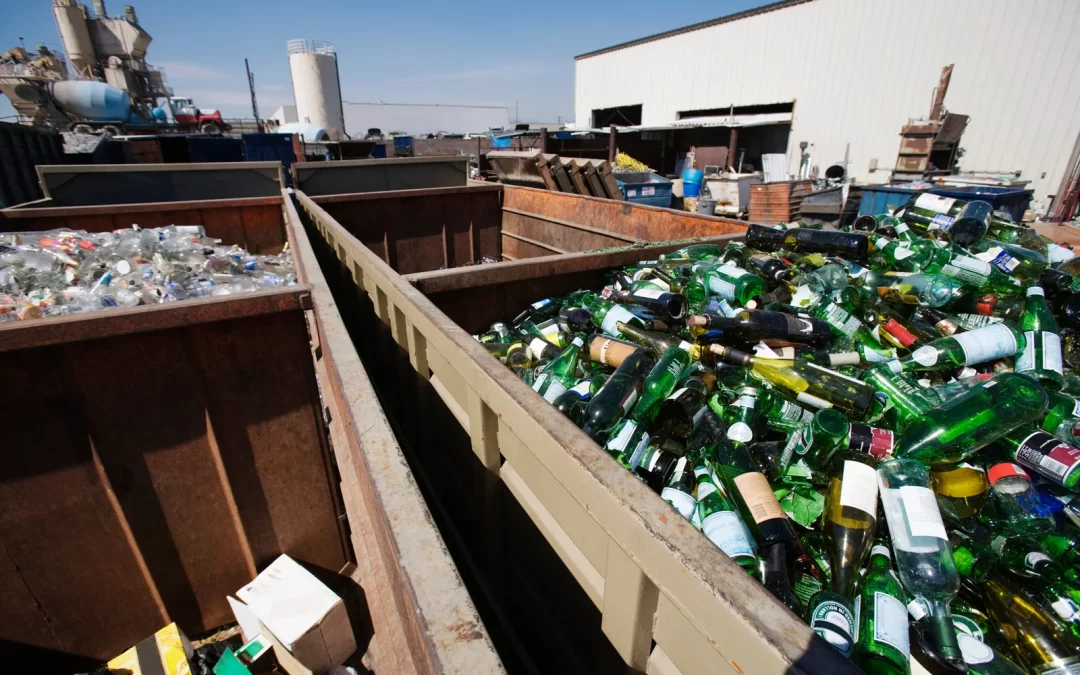
Glass is one of the most recyclable materials in the world. Unlike plastics and paper, which lose quality after multiple recycling cycles, glass can be recycled endlessly without degrading. Yet, many people are unsure of what types of glass can actually go into the recycling bin and where to take the rest. If you’ve ever wondered whether your old windowpane, wine bottle, or even a broken mirror can be recycled, this guide will walk you through the different types of glass accepted and the proper places to take them.
Why Glass Recycling Matters
Recycling glass isn’t just about keeping waste out of the landfill. When you recycle glass:
- It reduces the demand for raw materials like sand, soda ash, and limestone.
- It lowers energy use in glass manufacturing since recycled glass melts at a lower temperature.
- It cuts down greenhouse gas emissions.
- It supports commitment to sustainable waste management.
By recycling correctly, residents can help protect the environment and ensure materials are reused effectively.
Common Types of Glass and Their Recyclability
Not all glass is created equal. Depending on its composition, some glass can go directly into blue bins or bottle depots, while others require specialized recycling facilities. Here’s a breakdown:
1. Container Glass (Accepted in Curbside Recycling)
- What it is: Bottles and jars used for beverages, sauces, condiments, and food.
- Examples: Beer bottles, jam jars, pickle jars, olive oil bottles.
- Where it goes: Blue box recycling program or bottle depots.
- Tips: Rinse containers before recycling and remove lids. Labels can stay on.
2. Deposit-Return Beverage Glass (Refundable)
- What it is: Beverage bottles sold in B.C. with a refundable deposit.
- Examples: Beer, wine, spirits, cider bottles.
- Where it goes: Return-It Depots, such as Express & Go stations.
- Benefit: You get your deposit back, making recycling both eco-friendly and cost-effective.
3. Tempered Glass (Special Disposal Required)
- What it is: Safety glass found in shower doors, car windows, and patio tables.
- Why special? It shatters into small, pebble-like pieces and cannot be mixed with container glass.
- Where it goes: Specialized recycling or disposal facilities. Contact waste management services or local transfer stations for drop-off instructions.
4. Window Glass & Mirrors
- What it is: Flat glass from windows, mirrors, and tabletops.
- Problem: Coatings and treatments make them unsuitable for curbside recycling.
- Where it goes: Accepted at some recycling centers or construction waste depots. Call ahead to confirm.
5. Ceramic and Heat-Resistant Glass (Not Recyclable)
- What it is: Pyrex, ovenware, drinking glasses, ceramics.
- Why not recyclable? They are made with additives that prevent them from melting at the same temperature as container glass. Mixing them with recyclable glass can ruin entire batches.
- Where it goes: Dispose of as garbage or check with waste depots for special instructions.
6. Light Bulbs
- Incandescent & Halogen Bulbs: These are not recyclable in blue bins. They belong in the garbage.
- Fluorescent Tubes & CFL Bulbs: Contain mercury and must be taken to a hazardous waste Abbotsford or light recycling depot.
- LED Bulbs: Often recyclable through electronics recycling programs.
Where to Recycle Glass
Abbotsford provides several convenient options for residents to recycle glass safely and responsibly:
1. Curbside Recycling Program
- Accepted: Food and beverage jars, bottles, and other container glass.
- Not accepted: Windows, mirrors, drinking glasses, or ceramics.
2. Bottle Depots (Return-It Locations)
- Accepted: Beverage bottles that carry a deposit, such as beer, wine, and liquor bottles.
- Benefit: You receive a cash refund.
Some nearby depots include:
- Abbotsford Return-It Depot
- Express & Go Stations (self-serve kiosks for quick drop-offs)
3. City of Abbotsford Recycling Depots
- Some depots may accept specialty glass types such as windows or mirrors. Always call ahead.
4. Private Recycling and Waste Disposal Companies
- Certain local companies handle construction waste, including tempered and flat glass.
- A great option if you are replacing windows, renovating, or have bulk glass waste.
5. Hazardous Waste Drop-Offs
- For CFLs, fluorescent tubes, and specialty glass containing hazardous materials, these facilities ensure safe handling and disposal.
Glass Recycling Do’s and Don’ts
To make glass recycling in Abbotsford more effective, keep these quick rules in mind:
Do:
- Rinse containers before recycling.
- Separate refundable bottles for depot returns.
- Take fluorescent bulbs and specialty glass to the right drop-off locations.
Don’t:
- Put broken mirrors, window glass, or ceramics in the blue bin.
- Mix hazardous materials like bulbs containing mercury with regular recyclables.
- Place glass in plastic bags for curbside collection it must be loose in the bin.
The Future of Glass Recycling
The City of Abbotsford, alongside provincial programs like Recycle BC and Return-It, is working to make recycling easier and more accessible. With more depots, express stations, and expanded recycling education, residents have increasing opportunities to keep glass out of landfills.
Local companies such as Canadian Empire Recycling also play an important role in managing recyclable and construction materials responsibly. Whether it’s everyday container glass or larger renovation waste, having experts handle the process ensures materials are processed safely and efficiently.
Glass is a valuable, infinitely recyclable material, but only if sorted and processed correctly. Food and beverage glass containers go in your curbside bin, while refundable beverage bottles should be taken to Return-It Depots. Windows, mirrors, and tempered glass require special handling, and some items like ceramics or Pyrex cannot be recycled at all.
If you’re ever in doubt, check with the local depot before tossing glass into the bin. For larger volumes of glass waste or specialized disposal needs, you can also contact Canadian Empire Recycling for reliable recycling and disposal services in Abbotsford.