
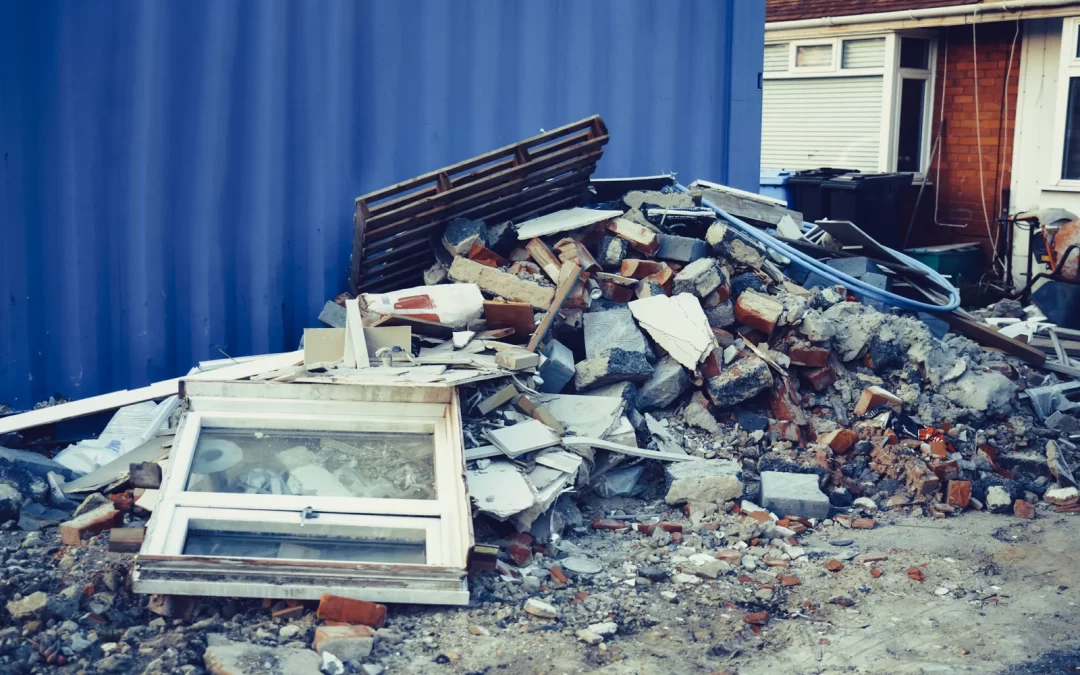
Every construction project, from residential builds to commercial developments, produces dirt waste as a byproduct of excavation. While it might not seem as problematic as hazardous materials, mismanaging soil can result in environmental violations, increased costs, and project delays.
From efficient dirt removal to eco-friendly reuse, here’s how to responsibly handle soil and excavation waste on your job site.
What Is Dirt Waste?
Dirt waste, also called excavated soil or spoil, includes materials like:
- Topsoil and subsoil removed during site grading
- Soil mixed with rock, sand, or construction debris
- Contaminated or chemically treated dirt
- Clay or compacted soil from foundation or trench digging
Properly distinguishing between clean fill and contaminated soil is essential before disposal or reuse.
Why Proper Dirt Waste Management Matters
Leaving soil unmanaged can lead to:
- Soil erosion is affecting nearby ecosystems and water sources
- Regulatory fines for unauthorized dumping or improper disposal
- Unstable work zones endanger workers and equipment
- Higher costs from unnecessary hauling and landfill use
That’s why effective dirt waste management in Surrey should be integrated into your construction planning process.
Step 1: Assess Your Site’s Soil
Before digging begins, assess the type and amount of soil your project will generate. Test for:
- Contaminants (especially on older or industrial properties)
- Reusability for landscaping or fill
- Volume requiring off-site disposal
Proper documentation of this assessment is often required by municipal authorities, especially for construction waste disposal in Abbotsford and other regulated regions.
Step 2: Reuse Clean Fill When Possible
Whenever possible, reuse clean soil within your project. Topsoil can be used for:
- Backfilling foundations and trenches
- Creating slopes and elevation changes
- Landscaping or site levelling
This reduces disposal needs and saves on material import costs. Ensure reused dirt meets local building standards for compaction and safety.
Step 3: Handle Mixed or Contaminated Soil Separately
Soil that contains concrete, wood chips, metal, or asphalt is considered mixed waste and must be removed accordingly. Contaminated dirt may require testing and disposal at designated hazardous waste facilities.
To keep your job site compliant, always segregate contaminated soil and never mix it with reusable fill.
Step 4: Use Dirt Removal Services When Needed
For large-scale excavation or when on-site reuse isn’t practical, hire a dirt removal Abbotsford service. These services can:
- Haul away soil using dump trucks or bins
- Dispose of it at registered landfills or processing sites
- Recycle clean fill for other construction or landscaping use
Working with licensed professionals ensures that you’re meeting local waste disposal standards. Canadian Empire Recycling, a trusted name in construction and environmental services, provides dirt and debris removal that adheres to local regulations and eco-friendly practices.
Step 5: Install Erosion Control Measures
Prevent soil from contaminating nearby drains or waterways by using:
- Silt fences and straw wattles
- Tarps to cover loose soil piles
- Drainage channels to direct runoff safely
Erosion control is significant in rainy climates like British Columbia, where runoff can quickly carry sediment into stormwater systems.
Local Regulations and Compliance
Abbotsford and surrounding areas have strict bylaws around soil dumping and construction waste. Violating these can result in fines under the Environmental Management Act or local ordinances. Be aware of:
- Whether a soil removal permit is needed
- Approved disposal sites and tipping fees
- Clean fill regulations for your project zone
If you’re unsure, consult your local waste management authority before beginning excavation.
Partnering With the Right Waste Disposal Experts
When managing both dirt and debris, it’s smart to choose a company experienced in construction waste disposal Abbotsford. These experts can provide bins, transport, sorting, and documentation to help you remain compliant and efficient throughout your project timeline.
Managing dirt waste is more than just moving soil from one spot to another it’s about planning, responsibility, and sustainability. By following best practices for removal, reuse, and compliance, you not only protect your job site and workers but also contribute to a cleaner community and a greener construction industry.
Whether you’re clearing a lot for a new build or remodeling an old site, taking dirt waste seriously from day one will help you finish on time, stay on budget, and avoid regulatory headaches.
For reliable dirt removal, bin rental, and responsible waste solutions, contact Canadian Empire Recycling, Abbotsford’s go-to choice for construction site cleanup.